
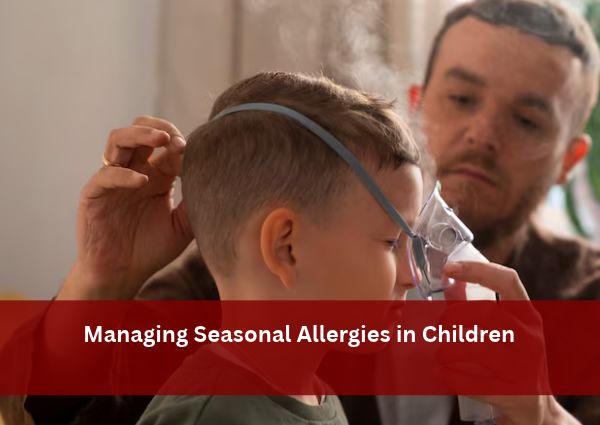
Seasonal allergies can make everyday activities uncomfortable for children. Sneezing during playtime, itchy eyes at school, and a constantly runny nose can affect sleep, concentration, and mood. Although these symptoms are common, families do not have to simply tolerate them. Understanding triggers and choosing appropriate care can help children feel comfortable throughout changing seasons.
What Causes Seasonal Allergies?
Seasonal allergies, also called seasonal allergic rhinitis or hay fever, develop when the immune system reacts to airborne substances that are usually harmless. One common trigger is pollen from weeds, grasses, and trees. Outdoor mold spores may also cause symptoms. Timing varies with local vegetation, weather, and environmental conditions. In Delhi, dust and air pollution may irritate the nose and worsen discomfort, although irritation is not necessarily an allergy.
Recognising Symptoms in Children
Typical symptoms include repeated sneezing, a clear runny nose, nasal congestion, itchy or watery eyes, and an itchy throat. Some children develop dark circles under their eyes or frequently rub their noses. Congestion can disturb sleep and contribute to daytime tiredness. Allergies usually do not cause fever. A cold, however, may include fever, body aches, or symptoms that improve within several days. Recurring or persistent symptoms should be evaluated by a doctor.
Identify Your Child’s Triggers
Start by observing when symptoms appear. Does sneezing increase after outdoor sports, gardening, windy afternoons, or visits to grassy areas? Keep a simple symptom diary recording dates, activities, weather, and possible exposures. This information can help a pediatrician distinguish allergies from infections or other causes. If the trigger remains unclear or symptoms are difficult to control, an allergy specialist may recommend appropriate testing.
Reduce Exposure Without Restricting Childhood
Complete pollen avoidance is unrealistic, and children still need exercise and outdoor play. Instead, check local pollen information where available and adjust activities during particularly high-exposure periods. When pollen levels are high, keep windows closed. After outdoor play, encourage children to wash their hands and face, change clothes, and shower when needed. Avoid rubbing itchy eyes. Clean household surfaces regularly and address damp areas where mold may develop.
Create a Comfortable Home Environment
Wash bedding regularly and keep sleeping areas free from unnecessary dust collectors. Ventilate rooms when outdoor conditions are suitable, rather than leaving windows open during heavy pollen exposure. If using air conditioning, maintain filters according to manufacturer instructions. Avoid cigarette smoke, incense, strong fragrances, and aerosol sprays around sensitive children. These irritants may aggravate symptoms even when they are not the original allergic trigger.
Choose Treatments With Medical Guidance
Saline nasal sprays can help remove pollen and mucus from nasal passages. For troublesome symptoms, a pediatrician may recommend a suitable non-drowsy antihistamine or a corticosteroid nasal spray, depending on the child’s age and needs. Nasal steroid sprays generally work best with correct technique and consistent use. Never assume adult medicines or doses are safe for children. Avoid starting decongestants or combining allergy products without professional advice.
Support Sleep and School Performance
A blocked nose and itchy eyes can leave children exhausted, distracted, or irritable. Establish regular sleep routines and follow the treatment plan prescribed by your doctor. Inform teachers if symptoms affect classroom participation or outdoor activities. Encourage children to drink water and speak up when they feel uncomfortable. Persistent snoring, disturbed sleep, or difficulty breathing through the nose warrants evaluation rather than repeated home remedies.
When Should You Visit a Pediatrician?
Seek medical advice when symptoms recur frequently, interfere with sleep or school, or continue despite sensible preventive steps. Wheezing, recurrent ear problems, or suspected asthma also require assessment. Get urgent help if your child develops severe breathing difficulty, swelling of the tongue or throat, or faintness. Seasonal allergies can coexist with asthma, so ongoing coughing or wheezing should never be dismissed as ordinary hay fever.
Helping Children Enjoy Every Season
Managing allergies means balancing symptom relief with normal childhood experiences. With trigger awareness, practical environmental changes, and age-appropriate medical care, many children can enjoy school, sports, and family outings more comfortably. At drdineshsinghal, we encourage parents seeking a child specialist in Dwarka to discuss recurring sneezing, congestion, or itchy eyes with a qualified pediatrician. Individual assessment helps identify likely causes and develop a care plan that suits your child’s needs, rather than relying on guesswork or unsuitable medication.
Remember that allergy symptoms vary between children and seasons. Regular follow-up can help your doctor review symptom control, adjust treatment safely, and address new concerns as children grow.
