
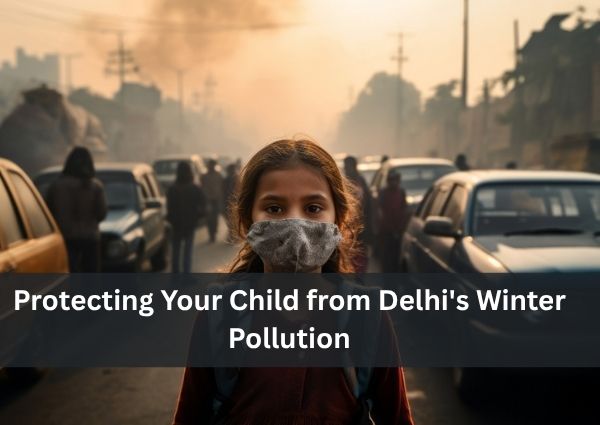
Delhi’s winter season brings cooler temperatures, festive activities, and changing routines, but it also creates a major concern for parents: worsening air pollution. During the colder months, pollutants can become trapped closer to the ground, while vehicle emissions, dust, construction activity, industrial pollution, and other sources contribute to poor air quality. Children are especially vulnerable because their lungs and immune systems are still developing. Understanding how to reduce exposure and when to seek medical advice can help parents protect their child’s respiratory health throughout the winter season.
Why Winter Pollution Can Affect Children More
Children breathe more rapidly than adults relative to their body size, which can increase their exposure to air pollutants. They also spend time playing, walking, and participating in outdoor activities, making it harder to avoid polluted air completely. Their developing respiratory system may be more sensitive to irritants such as particulate matter, smoke, and harmful gases present in polluted environments.
Winter weather can worsen the situation because cooler temperatures and atmospheric conditions may reduce the dispersion of pollutants. This can lead to hazy skies and days when air quality reaches unhealthy levels. Children with asthma or other respiratory concerns may experience increased symptoms, but even otherwise healthy children can develop irritation of the eyes, nose, and throat, coughing, or breathing discomfort after significant exposure.
Check Air Quality Before Planning Outdoor Activities
One of the simplest ways parents can reduce unnecessary exposure is by checking the daily Air Quality Index before planning outdoor activities. On days with poor air quality, consider limiting prolonged outdoor play, especially near busy roads, construction sites, or areas with visible smoke and dust.
Parents do not need to keep children indoors all winter. The goal is to adjust outdoor time according to pollution levels and avoid intense physical activity when air quality is particularly poor. Running and vigorous exercise increase breathing rates, which may increase the amount of polluted air entering the lungs. Choosing cleaner times and locations for necessary outdoor activities can also make a difference.
Create a Cleaner Indoor Environment
Because children spend many hours at home, improving indoor air quality is an important part of winter protection. Keep windows and doors appropriately managed during severe pollution episodes, particularly when outdoor air is visibly hazy or the Air Quality Index is poor. Regularly clean surfaces to reduce settled dust and avoid activities that create additional indoor smoke.
Parents should avoid smoking indoors and minimise exposure to incense, mosquito coils, strong chemical sprays, and other sources of indoor air pollution. Proper ventilation is still important, so households should follow practical ventilation habits based on local air conditions rather than keeping rooms permanently sealed.
Air-cleaning devices may be useful in some situations, particularly for children with significant respiratory sensitivity, but they should not replace other protective measures. Parents should also maintain these devices correctly according to manufacturer instructions.
Pay Attention to Respiratory Symptoms
Pollution-related irritation may sometimes appear similar to a common cold. Watch for persistent coughing, wheezing, breathing difficulty, chest discomfort, unusual tiredness, or repeated complaints of throat and eye irritation. Children may not always clearly explain that they are experiencing breathing problems, so parents should also observe changes in activity levels and sleep.
A persistent cough should not automatically be blamed on Delhi’s pollution. Viral infections, allergies, asthma, and other health conditions can cause similar symptoms. Consulting a qualified child specialist in dwarka sector 12 can help identify the possible cause and determine whether your child requires treatment or further evaluation.
Support Your Child’s Overall Respiratory Health
A healthy daily routine can support your child’s general wellbeing during the winter months. Ensure they receive balanced meals, adequate fluids, and sufficient sleep. Warm clothing can help children remain comfortable outdoors, although dressing warmly does not protect the lungs from air pollution itself.
Encourage good hygiene, including regular handwashing, because winter is also a period when respiratory infections can spread. Make sure your child follows the vaccination schedule recommended by their healthcare professional. Parents of children with asthma or other chronic respiratory conditions should keep prescribed medicines available and follow their doctor’s action plan carefully.
Avoid Self-Medication and Unproven Remedies
When pollution causes coughing or throat irritation, parents may be tempted to give cough syrups, antibiotics, or home remedies without medical guidance. However, different symptoms can have different causes, and inappropriate treatment may delay proper care. Antibiotics do not treat pollution exposure or most viral respiratory infections.
If your child has recurring wheezing, frequent coughing at night, shortness of breath, or symptoms that repeatedly worsen during periods of poor air quality, discuss the pattern with a doctor. A medical professional can assess whether pollution is acting as a trigger and recommend appropriate prevention and treatment strategies.
Know When to Seek Medical Attention
Seek medical attention promptly if your child experiences significant difficulty breathing, persistent wheezing, bluish lips, severe chest discomfort, unusual drowsiness, or worsening respiratory symptoms. Younger children and infants require particularly careful observation because their condition can sometimes change quickly.
Delhi’s winter pollution can be difficult to avoid completely, but parents can take practical steps to reduce exposure. Monitoring air quality, modifying outdoor activity, keeping indoor spaces cleaner, avoiding additional smoke, and responding promptly to concerning symptoms can make a meaningful difference. Regular guidance from a trusted Child specialist in Dwarka Sector 12 can further help parents create an appropriate plan for protecting their child’s health throughout the challenging winter season.
