
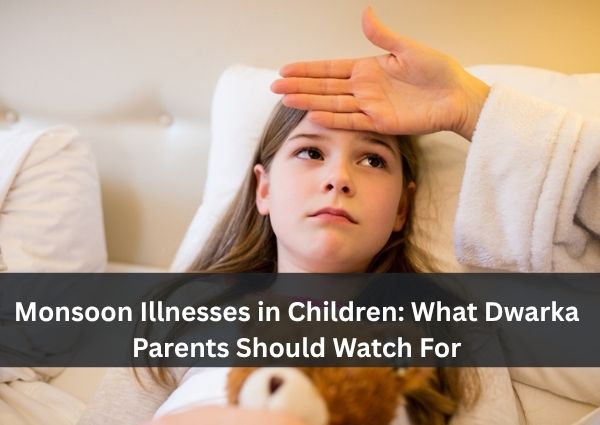
The monsoon season brings welcome relief from Delhi’s intense summer heat, but it also creates conditions that can increase the spread of several illnesses among children. Frequent rain, waterlogging, humidity, stagnant water, and sudden temperature changes can contribute to infections and other health concerns. For parents in Dwarka, understanding the common illnesses seen during the rainy season and recognising early warning signs can help ensure children receive timely care. While many seasonal illnesses are mild, some symptoms should never be ignored, particularly in infants and young children.
Why Children Are More Vulnerable During the Monsoon
Children are naturally curious and active, often playing outdoors and coming into contact with contaminated water, muddy surfaces, insects, and other sources of infection. During the monsoon, increased humidity can support the growth of certain germs, while stagnant water creates favourable breeding conditions for mosquitoes. Rainwater can also mix with sewage and waste in waterlogged areas, increasing the risk of contamination.
Young children may not always follow proper hygiene practices without reminders. They may touch contaminated surfaces and then put their hands near their mouths or eat without washing properly. Their immune systems are also still developing, which makes preventive habits and timely medical attention particularly important during the rainy season.
Viral Fever and Respiratory Infections
Sudden weather changes during the monsoon can coincide with an increase in viral infections. Children may develop fever, cough, sore throat, runny nose, body aches, or tiredness. These infections can spread easily at schools, daycare centres, playgrounds, and other places where children spend time together.
Parents should encourage regular handwashing and avoid sending a visibly unwell child to school when rest and medical evaluation are needed. Most viral infections do not require antibiotics, so parents should avoid giving antibiotics without a doctor’s prescription. If fever persists, breathing becomes difficult, or the child appears unusually weak, medical advice should be sought promptly.
Mosquito-Borne Diseases Need Special Attention
Stagnant water around homes, balconies, coolers, plant trays, construction sites, and nearby open areas can become breeding grounds for mosquitoes. During the monsoon, parents should remain alert to illnesses associated with mosquito bites, including dengue and other infections that may cause fever.
Symptoms such as high fever, severe headache, body pain, persistent vomiting, unusual sleepiness, rash, or significant weakness should be evaluated by a doctor. Parents should avoid assuming that every fever is a simple viral illness. Removing standing water regularly, using appropriate protective measures, and keeping children away from mosquito-prone environments can help reduce exposure.
If your child develops a fever after significant mosquito exposure, consultation with a qualified child specialist in dwarka mor can help determine whether testing or further monitoring is required.
Stomach Infections and Food-Related Illnesses
The rainy season can increase the risk of stomach infections when food or water becomes contaminated. Children may experience abdominal pain, vomiting, loose motions, nausea, or fever. Eating uncovered street food, drinking unsafe water, or consuming improperly stored food can increase the risk.
Parents should provide clean drinking water and freshly prepared meals whenever possible. Fruits and vegetables should be washed carefully, and cooked food should be stored safely. During episodes of vomiting or diarrhoea, maintaining hydration is especially important. Young children can lose fluids quickly, so reduced urination, excessive thirst, dry mouth, unusual sleepiness, or inability to keep fluids down may require urgent medical attention.
Skin Infections and Rashes
Humidity, wet clothes, muddy water, and sweating can also contribute to skin irritation and certain infections. Children may develop itching, rashes, fungal infections, or irritation in areas that remain damp for long periods. Make sure children change out of wet clothes and shoes as soon as possible after getting soaked in the rain.
Keep the skin clean and dry, especially between toes and in skin folds. Do not apply strong creams or steroid-based products without medical advice, as some products can worsen certain infections or hide important symptoms. Persistent rashes, swelling, pain, pus, or rapidly spreading skin changes should be checked by a healthcare professional.
Protecting Children Through Simple Daily Habits
Prevention during the monsoon begins with everyday habits. Encourage children to wash their hands before eating and after returning home. Keep drinking water clean, avoid stagnant water around the house, and ensure children wear dry clothing. Regularly inspect areas where mosquitoes can breed and use appropriate protection against bites.
Adequate sleep, balanced nutrition, and routine medical care also support a child’s overall wellbeing. Parents should keep their child’s vaccinations updated according to their doctor’s recommendations. These preventive measures cannot eliminate every risk, but they can reduce exposure to common seasonal illnesses.
Know When Your Child Needs Medical Care
Parents should seek medical advice when symptoms are severe, persistent, or unusual. Difficulty breathing, dehydration, repeated vomiting, persistent high fever, seizures, severe weakness, confusion, or a child becoming difficult to wake requires prompt medical attention.
The monsoon season does not need to be a time of constant worry. By maintaining good hygiene, preventing mosquito breeding, ensuring safe food and water, and paying close attention to warning signs, Dwarka parents can help protect their children. When symptoms are unclear or concerning, timely consultation with an experienced child specialist in dwarka mor can provide the right guidance and help children recover safely while enjoying a healthier monsoon season.
