
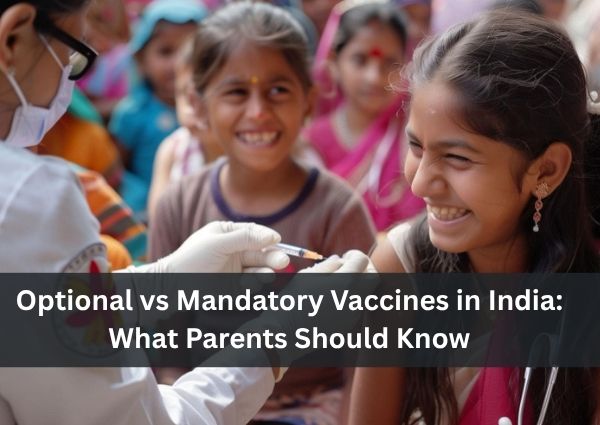
Vaccination is one of the most important steps parents can take to protect their children from serious infectious diseases. In India, parents often hear different terms such as routine vaccines, government-recommended vaccines, mandatory vaccines, and optional vaccines. This can create confusion, especially for first-time parents trying to understand which immunisations their child needs and when they should be given. Knowing the difference between vaccines included in the national immunisation programme and additional vaccines recommended based on individual circumstances can help parents make informed decisions about their child’s health.
Understanding Routine Vaccination in India
India’s childhood immunisation programme provides protection against several serious diseases through a scheduled series of vaccines. These vaccines are part of the country’s public health efforts to reduce childhood illness, disability, and deaths caused by preventable infections. The routine schedule includes vaccines that protect against diseases such as tuberculosis, polio, hepatitis B, diphtheria, pertussis, tetanus, Haemophilus influenzae type b infections, measles, rubella, and other diseases covered under national programmes.
Parents may commonly describe these vaccines as “mandatory” because they are strongly recommended as part of routine childhood care. However, parents should understand that the word mandatory can have a specific legal meaning. In practical healthcare discussions, it is more useful to think about these as essential routine vaccines that should be received according to the recommended immunisation schedule unless a qualified doctor advises otherwise for a specific medical reason.
What Are Optional Vaccines
Optional vaccines generally refer to vaccines that may not be included in every government-funded routine programme but can still be recommended by paediatricians and healthcare professionals. Their availability, recommendation, and suitability can depend on factors such as the child’s age, medical condition, local disease patterns, lifestyle, travel plans, and individual risk of exposure.
Examples may include vaccines that offer protection against illnesses such as influenza, hepatitis A, chickenpox, certain types of meningococcal disease, and other infections. Some vaccines may be widely recommended by medical professionals even when they are not universally provided through every public immunisation programme. Therefore, the word optional should never be misunderstood to mean unnecessary. A vaccine described as optional may still provide important protection for a particular child.
Why the Difference Can Be Confusing for Parents
One reason parents feel confused is that vaccine recommendations can come from different sources. Government immunisation schedules focus on population-level public health priorities, while paediatric associations and individual doctors may recommend additional vaccines for broader protection. Private healthcare providers may also offer vaccines that are not available free of cost through every public programme.
As a result, two parents may receive slightly different vaccine advice depending on their child’s health profile and the recommendations followed by their healthcare provider. This does not automatically mean that one recommendation is wrong. Instead, parents should ask why a particular vaccine is being advised, what disease it prevents, when it should ideally be given, how many doses are required, and whether there are any specific considerations for their child.
How Parents Should Make Vaccine Decisions
The best approach is to discuss vaccination with a qualified paediatrician rather than making decisions based only on online information, social media, or advice from non-medical sources. Your child’s doctor can review previous vaccine records and identify which vaccines have already been received and which doses are due.
Parents should also maintain an accurate immunisation record. Missing or delaying a scheduled dose can leave a child without timely protection. If a vaccine dose has been missed, parents should not assume the entire schedule must start again. A healthcare professional can advise on an appropriate catch-up schedule based on the child’s age and vaccination history.
Before choosing an additional vaccine, discuss its benefits, recommended timing, possible side effects, cost, and relevance to your child. This allows parents to make decisions based on reliable medical guidance rather than fear or confusion.
Are Optional Vaccines Less Important
Not necessarily. The importance of a vaccine depends on the disease it prevents and the individual child’s risk. The term optional often reflects how a vaccine is included within a particular public health programme or funding system rather than whether the disease itself is harmless.
For example, a child’s exposure risk may change because of school attendance, travel, household circumstances, seasonal disease activity, or underlying medical considerations. In such situations, a doctor may strongly recommend protection through vaccines that are not part of every routine government schedule. Parents should therefore evaluate each recommendation carefully with professional guidance.
Building a Complete Protection Plan for Your Child
A good vaccination plan should be personalised, organised, and based on reliable medical advice. Parents should know their child’s due dates, keep vaccination records safely, attend regular check-ups, and discuss any concerns before delaying immunisation. It is also important to report previous allergic reactions or significant health issues to the doctor before vaccination.
Understanding the difference between routine and optional vaccines helps parents ask better questions and participate confidently in decisions about their child’s health. Rather than focusing only on whether a vaccine is labelled mandatory or optional, parents should understand the protection it offers and whether it is appropriate for their child. With timely vaccination and guidance from a qualified healthcare professional, parents can take an important step toward protecting their children against preventable diseases and supporting a healthier future.
