
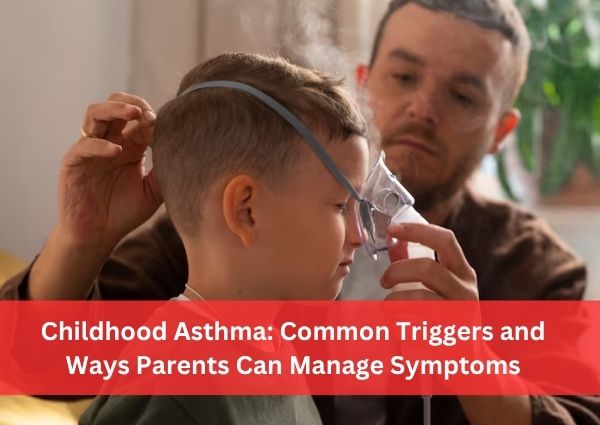
Childhood asthma is a long-term respiratory condition that affects the airways in the lungs, making breathing difficult during certain episodes. Children with asthma may experience coughing, wheezing, chest tightness, or shortness of breath. These symptoms can occur during the day, at night, or after physical activity. Although asthma cannot always be cured, appropriate treatment and careful management can help children lead active and healthy lives.
Parents play an important role in recognizing symptoms, identifying triggers, and ensuring that their child receives timely medical care. Understanding the condition can help families respond confidently and reduce the risk of asthma flare-ups.
Common Triggers That Can Worsen Childhood Asthma
Asthma triggers vary from child to child. Identifying the factors that cause symptoms is an important step towards managing the condition. Common triggers include dust mites, pollen, mould, pet dander, cigarette smoke, and air pollution. Strong perfumes, cleaning products, and other irritating fumes may also worsen symptoms in some children.
Respiratory infections, including colds and flu, can trigger asthma flare-ups. Changes in weather, cold air, and physical activity may also cause breathing difficulties in susceptible children. Some children experience symptoms while running or playing, while others may cough more frequently at night or early in the morning.
Parents can help by keeping the home clean, washing bedding regularly, addressing dampness and mould, and avoiding smoking around children. Checking local air quality before outdoor activities can also be useful when pollution levels are high. However, triggers differ for each child, so parents should observe when symptoms occur and discuss possible patterns with a healthcare professional.
Recognizing Symptoms and Managing Asthma at Home
Recognizing asthma symptoms early can help parents seek appropriate care before the condition becomes more serious. Persistent coughing, wheezing, breathlessness, chest tightness, disturbed sleep, and difficulty keeping up with other children during play may indicate a breathing problem. These symptoms can come and go, so parents should not ignore repeated episodes even if the child appears well between them.
If asthma is suspected, arrange a medical assessment rather than relying on home remedies or self-diagnosis. A healthcare professional can evaluate the child’s symptoms and determine whether breathing tests or other assessments are needed.
For children diagnosed with asthma, parents should follow the prescribed treatment plan carefully. This may include a reliever inhaler for symptoms and controller medication, depending on the child’s needs. Parents should learn the correct inhaler technique and use a spacer when recommended. Medicines should not be stopped or changed without medical advice.
A written asthma action plan can explain which medicines to use, how to recognize worsening symptoms, and when to seek urgent help. Parents should share relevant instructions with teachers, school staff, and other caregivers so that everyone knows how to respond if symptoms develop.
Preventing Asthma Flare-Ups and Knowing When to Seek Help
Consistent care can help reduce asthma flare-ups and support a child’s everyday activities. Keep the child’s sleeping area free from excessive dust, avoid exposure to tobacco smoke, and address indoor dampness promptly. If allergies are suspected, consult a healthcare professional to identify appropriate ways to reduce exposure.
Children with asthma can often participate in sports and outdoor play when their condition is well controlled. Parents should follow medical advice about exercise, prescribed medication, and precautions during periods of poor air quality or respiratory illness. Regular follow-up appointments help assess symptom control, review inhaler technique, and adjust treatment when necessary.
Parents must also recognize emergency warning signs. If a child is struggling to breathe, has difficulty speaking or drinking because of breathlessness, develops bluish or grey lips, or becomes unusually drowsy or confused, seek emergency medical assistance immediately. Follow the child’s asthma action plan while arranging help.
Childhood asthma requires awareness, patience, and ongoing medical guidance. By understanding triggers, following prescribed treatment, and responding promptly to changes in breathing, parents can help children stay safer and enjoy a better quality of life.
Dr. Dinesh Singhal provides the best healthcare treatment regarding this, helping parents seek appropriate paediatric guidance for their children’s respiratory health and overall well-being.
