
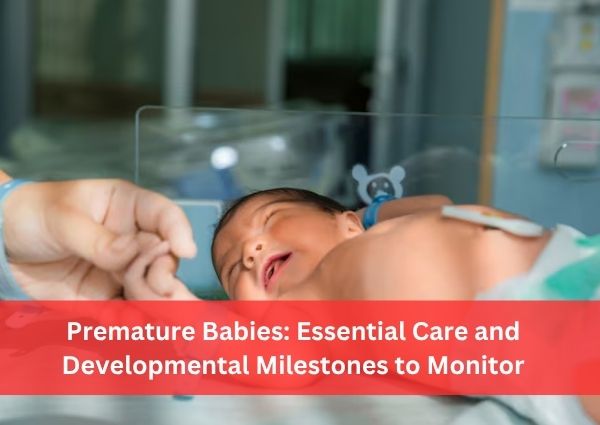
Premature babies are infants born before 37 completed weeks of pregnancy. Because they have less time to develop in the womb, they may need additional medical attention, feeding support, and careful monitoring after birth. The level of care required depends on how early the baby was born, their birth weight, and their overall health.
For parents, caring for a premature baby can feel overwhelming at first. However, with appropriate medical guidance, regular follow-up appointments, and a supportive home environment, many premature babies make steady progress as they grow. Understanding essential care practices and developmental milestones can help parents support their baby’s health and recognize concerns early.
Essential Care Tips for Premature Babies
Premature babies may have difficulty maintaining body temperature, feeding effectively, or fighting infections during their early weeks. Parents should follow the discharge instructions provided by the neonatal care team and attend all recommended medical appointments.
Maintain proper warmth and hygiene: Keep your baby comfortably warm and follow medical advice about clothing, room temperature, and skin-to-skin contact. Kangaroo mother care, which involves skin-to-skin contact, can support warmth, bonding, and breastfeeding when appropriate. Wash your hands before handling the baby and limit contact with people who have infections.
Focus on appropriate feeding: Breast milk is often recommended for premature babies because it provides important nutrients and immune protection. Some infants may need fortified breast milk or specialist formula according to their doctor’s advice. Follow the prescribed feeding schedule and monitor weight gain, wet nappies, and feeding difficulties.
Protect against infections: Keep vaccinations and recommended preventive care up to date. Avoid exposing the baby to cigarette smoke, crowded environments when advised against, and people who are unwell. Seek prompt medical advice if your baby develops a fever, feeds poorly, has unusual lethargy, or shows signs of breathing difficulty.
Parents should also follow the healthcare team’s instructions regarding medicines, supplements, and specialist reviews. Never change feeding plans or medication doses without professional guidance.
Developmental Milestones Parents Should Monitor
Premature babies may reach developmental milestones later than babies born at full term. Healthcare professionals often use corrected age to assess development during the first two years. Corrected age is calculated by considering how many weeks early the baby was born, rather than relying only on the date of birth.
Parents should observe progress in several areas, including movement, communication, learning, and social interaction. In the early months, milestones may include looking at faces, responding to sounds, smiling, and gradually developing head control. As babies grow, parents may notice reaching for toys, rolling over, sitting, babbling, crawling, and eventually standing or walking.
Every baby develops at an individual pace, so milestones should be considered alongside the child’s medical history and corrected age. Regular check-ups help healthcare professionals monitor weight, length, head circumference, vision, hearing, feeding, and overall development.
Contact your child’s paediatrician if you notice persistent feeding difficulties, unusual muscle stiffness or floppiness, limited responses to sounds or faces, delayed progress, or loss of a skill your baby previously had. Early assessment can help identify whether additional support, such as physiotherapy or developmental services, may be beneficial.
Supporting Healthy Growth Through Regular Follow-Up
Regular medical follow-ups are particularly important for premature babies because some developmental, vision, hearing, or feeding concerns may become noticeable over time. Depending on the baby’s needs, the healthcare team may recommend appointments with a paediatrician, neonatologist, eye specialist, hearing specialist, or developmental therapist.
At home, parents can encourage development through gentle interaction, talking, singing, and age-appropriate play. Always supervise your baby during activities and follow safe-sleep guidance: place the baby on their back on a firm, flat sleep surface without loose bedding, pillows, or soft toys.
Seek emergency medical help if your baby has severe breathing difficulty, turns blue or grey, becomes unresponsive, or is unusually difficult to wake.
Premature babies benefit from attentive care, appropriate nutrition, a safe environment, and consistent developmental monitoring. Parents should remember that progress can take time, and asking for help early is an important part of supporting a child’s well-being.
Dr. Dinesh Singhal provides the best healthcare treatment regarding this, helping parents seek appropriate paediatric guidance for premature babies’ growth, development, and overall health.
