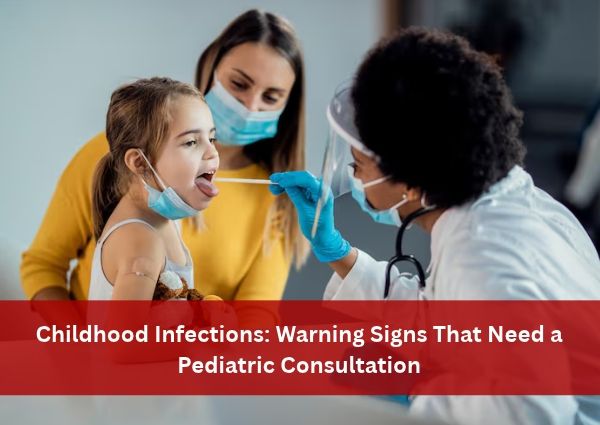
Childhood infections are common because children’s immune systems are still developing and they are frequently exposed to germs at school, daycare, and playgrounds. Many infections, such as common colds and mild viral illnesses, improve with rest, fluids, and appropriate care. However, some infections can become serious if warning signs are overlooked or medical attention is delayed. Parents should understand the difference between common symptoms and signs that require a pediatric consultation.
Recognising symptoms early helps ensure timely diagnosis, appropriate treatment, and a smoother recovery. From fever and persistent coughing to unusual rashes and breathing difficulties, paying attention to changes in a child’s health can make a significant difference.
1. Common Childhood Infections and Their Symptoms
Children can experience various infections caused by viruses, bacteria, and other microorganisms. Common examples include respiratory infections, ear infections, throat infections, stomach infections, and skin infections. Although symptoms may overlap, understanding their typical presentation can help parents decide when to seek medical advice.
Respiratory infections often cause a runny nose, sneezing, coughing, sore throat, and mild fever. Ear infections may lead to ear pain, irritability, difficulty sleeping, or pulling at the ears, particularly in younger children. Gastrointestinal infections can cause vomiting, diarrhoea, stomach discomfort, and reduced appetite. Skin infections may appear as redness, swelling, painful spots, or sores that spread over time.
Most mild infections improve within a few days, but parents should monitor their child’s temperature, energy levels, fluid intake, and overall behaviour. Persistent or worsening symptoms deserve medical evaluation, especially when a child appears unusually tired or refuses to eat and drink.
Parents should avoid giving antibiotics without medical advice because antibiotics do not treat viral infections and unnecessary use can contribute to antibiotic resistance. Similarly, medicines intended for adults should never be given to children without appropriate professional guidance.
2. Warning Signs That Require a Pediatric Consultation
Although many childhood infections resolve without complications, certain symptoms indicate that a child needs prompt medical assessment. Recognising these warning signs can help parents avoid delays in treatment.
Important symptoms to watch for include:
- Persistent or high fever: Fever that continues, repeatedly returns, or is accompanied by worsening symptoms should be assessed by a pediatrician. Any temperature of 38°C (100.4°F) or higher in a baby younger than three months requires immediate medical evaluation.
- Difficulty breathing: Rapid breathing, chest retractions, grunting, or noticeable difficulty breathing requires urgent medical attention. Blue or grey lips or skin indicate an emergency.
- Signs of dehydration: Reduced urination, a dry mouth, absent tears while crying, sunken eyes, or unusual drowsiness may indicate dehydration, particularly during vomiting or diarrhoea.
- Unusual rashes: A rash accompanied by fever, rapid spreading, significant swelling, or a purple or red rash that does not fade when pressed needs prompt assessment. A non-fading rash with fever can be an emergency.
- Persistent vomiting or diarrhoea: Repeated episodes, blood in the stool or vomit, severe abdominal pain, or an inability to keep fluids down requires medical attention.
- Changes in behaviour: Unusual confusion, extreme sleepiness, difficulty waking, a seizure, or a child who appears seriously unwell should never be ignored.
Parents should seek emergency care if a child experiences severe breathing difficulties, a seizure, reduced responsiveness, or other signs of a life-threatening illness. Trusting parental instincts is important when a child’s condition seems significantly different from normal.
3. Prevention and Proper Care for Childhood Infections
Preventing infections begins with simple, consistent hygiene practices. Encourage children to wash their hands with soap and water, particularly before meals and after using the toilet. Teach them to cover coughs and sneezes, avoid sharing personal items, and stay home from school when they are too unwell to participate comfortably.
Keeping vaccinations up to date is another important way to protect children against preventable infectious diseases. A balanced diet, adequate sleep, regular physical activity, and sufficient fluid intake also support overall health and recovery.
When a child becomes ill, provide appropriate rest and fluids, monitor symptoms, and follow medical advice. Avoid self-medicating or using leftover antibiotics. If symptoms persist, worsen, or appear unusual, consult a pediatrician rather than waiting for the infection to resolve on its own.
Regular pediatric check-ups can help monitor a child’s growth, review vaccination requirements, and identify health concerns early. Parents should communicate any changes in symptoms, medication use, allergies, and previous illnesses during consultations.
Understanding childhood infections empowers parents to respond confidently and seek help when necessary. Early recognition, preventive care, and timely medical attention can reduce the risk of complications and support a child’s healthy development. Dr. Dinesh Singhal provides the best healthcare treatment regarding this, helping parents address childhood health concerns through appropriate medical evaluation, guidance, and treatment.
