
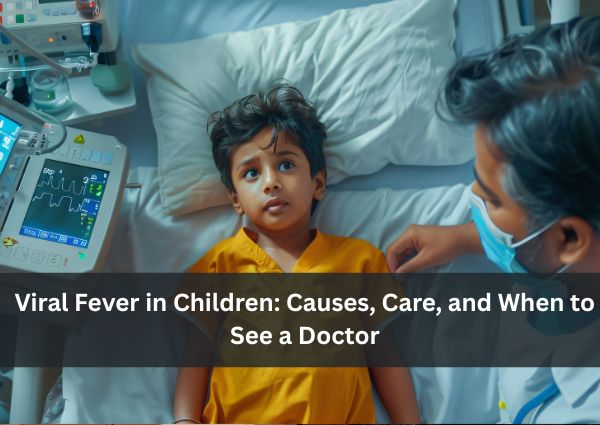
Viral fever is one of the most common illnesses affecting children, especially during seasonal changes and monsoon months. Since a child’s immune system is still developing, they are more vulnerable to viral infections that spread through coughs, sneezes, contaminated surfaces, or close contact with infected individuals. While most cases of viral fever are mild and resolve within a few days, parents should know how to care for their child at home and recognize the warning signs that require immediate medical attention.
A viral fever occurs when the body’s immune system responds to a virus by raising the body temperature. Unlike bacterial infections, viral illnesses do not respond to antibiotics and usually improve with supportive care, proper hydration, and adequate rest. Common viruses that cause fever in children include influenza, adenovirus, rhinovirus, enteroviruses, and respiratory syncytial virus (RSV).
Symptoms of viral fever often include a high temperature, sore throat, cough, runny or blocked nose, headache, body aches, fatigue, reduced appetite, and irritability. Some children may also develop vomiting, diarrhea, or a mild skin rash depending on the type of virus causing the infection.
Causes and Home Care for Viral Fever in Children
Children frequently catch viral infections because they spend time in schools, daycare centers, playgrounds, and other crowded environments where viruses spread easily. Poor hand hygiene, sharing toys or utensils, and seasonal outbreaks further increase the risk of infection.
Most viral fevers last between three and five days, although some symptoms such as cough or weakness may continue for a little longer. During this period, supportive care is the most important part of treatment.
Parents should encourage their child to drink plenty of fluids such as water, coconut water, oral rehydration solution (ORS), soups, and fresh fruit juices if appropriate for the child’s age. Proper hydration helps prevent dehydration caused by fever and supports faster recovery.
Children should also get adequate rest to allow their immune system to fight the infection effectively. Light, nutritious meals are preferable to heavy foods, and parents should avoid forcing a child to eat if appetite is temporarily reduced. Instead, offer small, frequent meals that are easy to digest.
If the child has a high fever or feels uncomfortable, fever-reducing medication prescribed by a pediatrician may be given in the correct dosage according to the child’s age and weight. Never give medications without medical guidance, and aspirin should not be given to children because of the risk of serious complications.
Maintaining good hygiene, frequent handwashing, covering coughs and sneezes, and cleaning commonly touched surfaces can also help prevent the spread of viral infections to other family members.
When Should You See a Doctor?
Although many viral fevers improve on their own, some situations require prompt medical evaluation. Parents should seek medical attention if the fever lasts for more than three days, repeatedly rises above 102°F (38.9°C), or does not improve despite appropriate care.
Immediate medical attention is needed if a child experiences difficulty breathing, persistent vomiting, severe dehydration, extreme drowsiness, confusion, seizures, bluish lips, severe abdominal pain, continuous crying, or difficulty waking up. Babies younger than three months with any fever should always be examined by a pediatrician as soon as possible.
Parents should also consult a doctor if the child develops a widespread rash, refuses all fluids, has significantly reduced urine output, or if symptoms worsen instead of improving after a few days. In some cases, additional tests may be required to rule out bacterial infections, dengue, malaria, typhoid, or other illnesses that may initially resemble viral fever.
Regular vaccinations, a balanced diet, proper sleep, physical activity, and good hygiene practices can strengthen a child’s immune system and reduce the likelihood of frequent viral infections. Teaching children to wash their hands properly and avoid close contact with sick individuals also plays an important role in preventing illness.
Although viral fever can be stressful for parents, most children recover completely with supportive care and timely medical supervision. Knowing the symptoms, providing proper home care, and recognizing warning signs can help ensure a safe and speedy recovery.
If your child has a persistent fever or shows any concerning symptoms, Dr. Dinesh Singhal provides the best child care with expert diagnosis, compassionate Childcare treatment, and personalized medical guidance. From managing viral fevers to treating a wide range of childhood illnesses, Dr. Dinesh Singhal is committed to helping every child recover quickly and grow up healthy.
